
IUCN threat status:

Vulnerable (VU)

Brief Summary

Read full entry
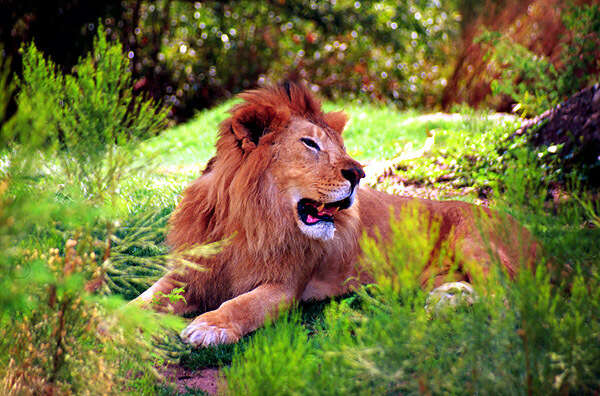
Lions are the only truly social cats, with related females residing together in prides and related or unrelated males forming coalitions that compete for tenure of prides in fierce and often fatal battles (1). Despite maternal defence, infanticide by the victorious males is common following a pride takeover. This seemingly horrific practice means the lionesses are capable of breeding again sooner, and the reproductive potential of the males is maximised in their often relatively short period of pride tenure. Females are able to breed at four years, males at five, and one to six cubs are born after a 3.5 month gestation period. Females are the predominant care-givers to cubs, which are dependent upon adults until about 16 months old. Related females within a pride are often found to reproduce in synchrony and then cross-suckle their cubs (7). Prides usually consist of four to six adults and their young, which break into smaller groups when hunting (1). Lions are predatory carnivores, with females performing most of the hunting, usually at night to avoid detection (4). They feed upon almost any animal, from rodent to rhino, but medium- to large-sized ungulates, such as antelope, zebra and wildebeest, form the bulk of their prey. They will also scavenge, chasing other predators away from their kills (1).

Trusted

Creative Commons Attribution Non Commercial Share Alike 3.0 (CC BY-NC-SA 3.0)

© Wildscreen

Source: ARKive

Disclaimer

EOL content is automatically assembled from many different content providers. As a result, from time to time you may find pages on EOL that are confusing.

To request an improvement, please leave a comment on the page. Thank you!