Wikipedia

Abronia (animal)

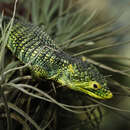
The genus Abronia, also known as Arboreal Alligator Lizards, belongs to the family of Anguidae. Members of this genus are found in Central to northeastern South America. These lizards are almost exclusively arboreal and can be found as high as up to 40 m in trees.

Species

The following species are currently recognized:[1]

References

  1. ^ Abronia. The Reptile Database. Consulted: 2012-04-06
Creative Commons Attribution Share Alike 3.0 (CC BY-SA 3.0)


Source: Wikipedia

Unreviewed

Article rating from 0 people

Average rating: 2.5 of 5

Abronia (plant)

Abronia, the sand-verbenas or wild lantanas, is a genus of about 20 species of annual or perennial herbaceous plants in the family Nyctaginaceae. Despite the common names, they are not related to Verbena (vervains) or lantanas in the family Verbenaceae. They are closely allied with Tripterocalyx.

They are native to western North America, from Alberta and Saskatchewan, Canada, south to west Texas, California, Baja California and central Mexico, growing on dry sandy soils. Abronia macrocarpa, a Texas endemic, is protected under the Endangered Species Act. Abronia ammophila, the Yellowstone sand verbena, is a plant unique to Yellowstone National Park’s lakeshores and is endemic to the park. Only a few species are widespread, and many are quite rare. They make very attractive garden plants for hot, dry sandy sites.

Contents

Selected species

Formerly placed here

Cultivation and uses

The stout, sweet root of Abronia fragrans and Abronia latifolia, sometimes over 60 cm long, can be eaten as a root vegetable.

References

  1. ^ "Genus: Abronia Juss.". Germplasm Resources Information Network. United States Department of Agriculture. 2010-07-07. http://www.ars-grin.gov/cgi-bin/npgs/html/genus.pl?18. Retrieved 2010-10-24. 
  2. ^ "Abronia". Integrated Taxonomic Information System. http://www.itis.gov/servlet/SingleRpt/SingleRpt?search_topic=TSN&search_value=19550. Retrieved 2010-10-24. 
  3. ^ a b "GRIN Species Records for Abronia". Germplasm Resources Information Network. United States Department of Agriculture. http://www.ars-grin.gov/cgi-bin/npgs/html/splist.pl?18. Retrieved 2010-10-24. 
Creative Commons Attribution Share Alike 3.0 (CC BY-SA 3.0)


Source: Wikipedia

Unreviewed

Article rating from 0 people

Average rating: 2.5 of 5

Abronia (plant)

Abronia, the sand-verbenas or wild lantanas, is a genus of about 20 species of annual or perennial herbaceous plants in the family Nyctaginaceae. Despite the common names, they are not related to Verbena (vervains) or lantanas in the family Verbenaceae. They are closely allied with Tripterocalyx.

They are native to western North America, from Alberta and Saskatchewan, Canada, south to west Texas, California, Baja California and central Mexico, growing on dry sandy soils. Abronia macrocarpa, a Texas endemic, is protected under the Endangered Species Act. Abronia ammophila, the Yellowstone sand verbena, is a plant unique to Yellowstone National Park’s lakeshores and is endemic to the park. Only a few species are widespread, and many are quite rare. They make very attractive garden plants for hot, dry sandy sites.

Contents

Selected species

Formerly placed here

Cultivation and uses

The stout, sweet root of Abronia fragrans and Abronia latifolia, sometimes over 60 cm long, can be eaten as a root vegetable.

References

  1. ^ "Genus: Abronia Juss.". Germplasm Resources Information Network. United States Department of Agriculture. 2010-07-07. http://www.ars-grin.gov/cgi-bin/npgs/html/genus.pl?18. Retrieved 2010-10-24. 
  2. ^ "Abronia". Integrated Taxonomic Information System. http://www.itis.gov/servlet/SingleRpt/SingleRpt?search_topic=TSN&search_value=19550. Retrieved 2010-10-24. 
  3. ^ a b "GRIN Species Records for Abronia". Germplasm Resources Information Network. United States Department of Agriculture. http://www.ars-grin.gov/cgi-bin/npgs/html/splist.pl?18. Retrieved 2010-10-24. 
Creative Commons Attribution Share Alike 3.0 (CC BY-SA 3.0)


Source: Wikipedia

Unreviewed

Article rating from 0 people

Average rating: 2.5 of 5

Disclaimer

EOL content is automatically assembled from many different content providers. As a result, from time to time you may find pages on EOL that are confusing.

To request an improvement, please leave a comment on the page. Thank you!