IUCN threat status:

Vulnerable (VU)

Brief Summary

Read full entry
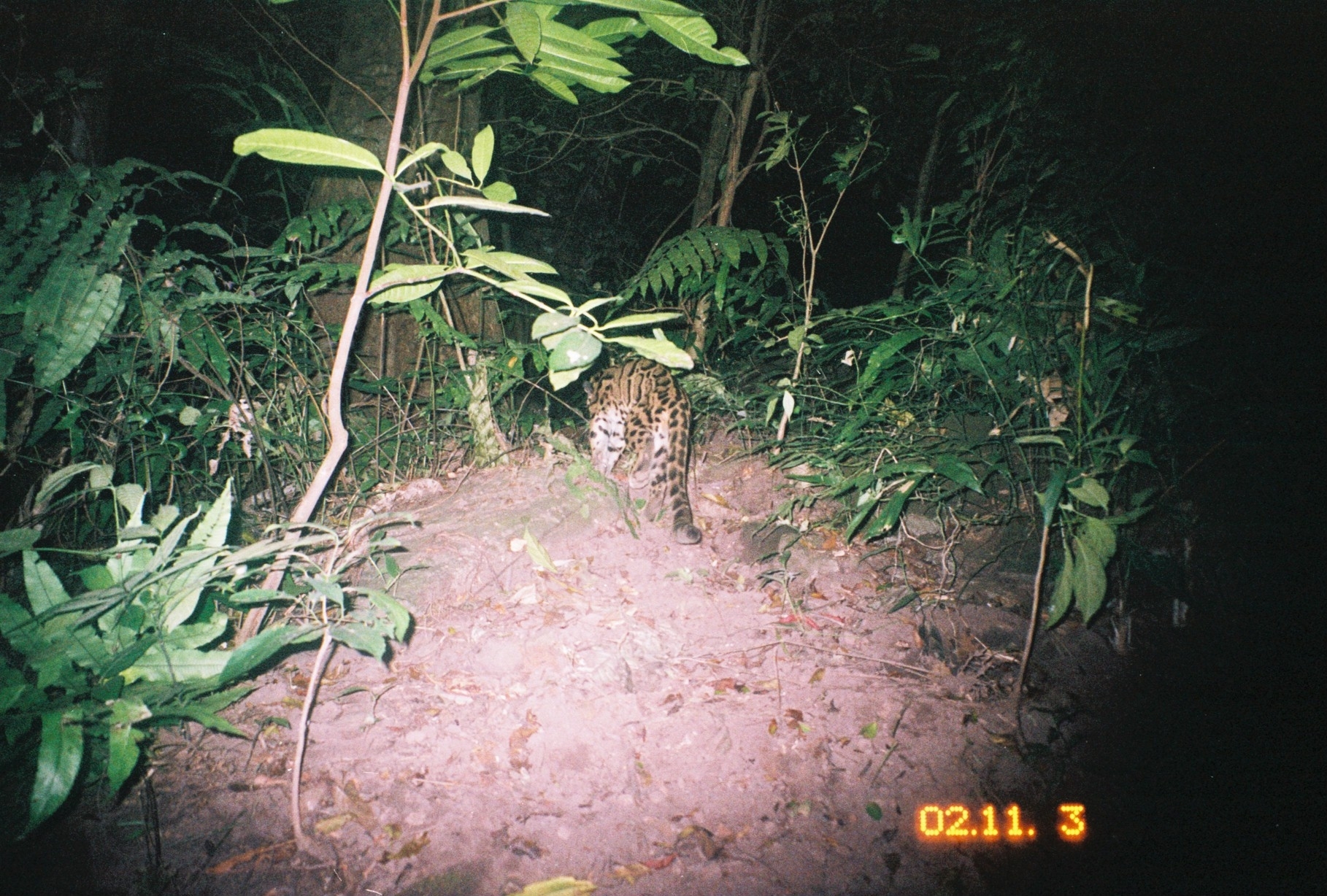
The clouded leopard has amazing tree climbing abilities, indeed in Malaysia its local name actually means 'branch-of-a-tree tiger' (4). It has been seen running head-first down tree trunks, climbing about on the underside of branches, and hanging upside down by its hind feet with the tail providing balance (6). The ability to climb trees allows it to forage for food in the canopy although it mainly uses the tree branches for resting. This species also swims well and has been found on small islands off the mainland in the past (6). It hunts by day or night, either stalking its prey on the ground or by ambushing it from the trees (7). It was originally thought that the long canines were for preying on large ungulates, though recent studies show that it feeds mainly on primates, birds, small mammals, porcupines, deer, and wild boar, as well as domestic livestock (5). These leopards are believed to be solitary animals except during the breeding season, when the males seek out the females (2), though little is known about their biology due to their elusiveness and so most information comes from captive individuals (7). The gestation period is between 86 and 93 days, and the female bears between one and five cubs, each weighing around 150 – 280 grams (4). Born with much darker side markings than the adults they are nursed for up to five months and achieve independence at nine months (7). It is not known how long the clouded leopard lives for in the wild, but captive individuals have lived for up to seventeen years (2).

Trusted

Creative Commons Attribution Non Commercial Share Alike 3.0 (CC BY-NC-SA 3.0)

© Wildscreen

Source: ARKive

Belongs to 1 community

Disclaimer

EOL content is automatically assembled from many different content providers. As a result, from time to time you may find pages on EOL that are confusing.

To request an improvement, please leave a comment on the page. Thank you!