Coccinella septempunctata — Overview

ladybeetle, ladybird beetle learn more about names for this taxon

You've arrived here by searching for Ptilocercus lowii. Click here to see other search results.

IUCN threat status:

Not evaluated

Brief Summary

Read full entry
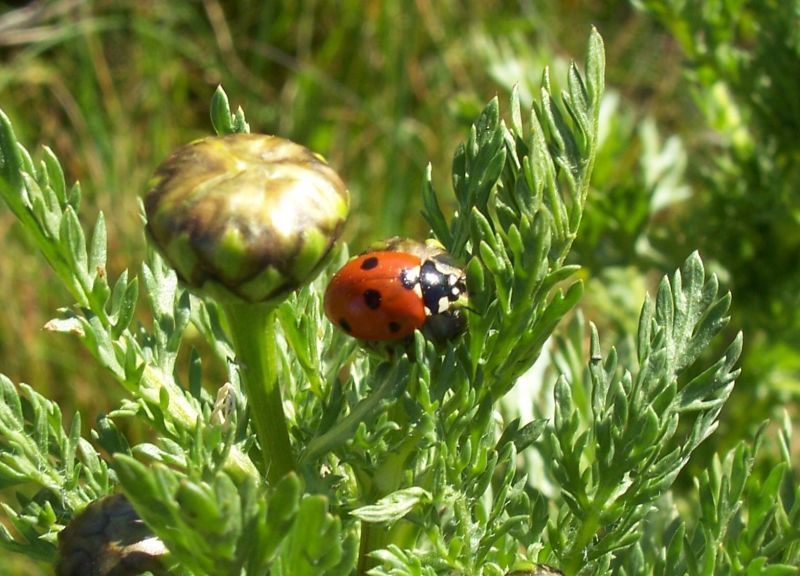
Both adults and larvae are voracious predators of aphids, and are one of the gardener's greatest natural allies (4). Ladybirds lay their yellow eggs in small groups on leaves (5). The black larvae have relatively long legs, and they are active predators. When threatened, adults exude a bright yellow distasteful substance from the joints of the legs, which dissuades potential predators from eating a ladybird. Adults overwinter in garden sheds, amongst vegetation, in crevices in fences and a range of similar locations, and can often be discovered in fairly large numbers during this time. They emerge in March and April (4). There is much folklore centred on ladybirds; ladybird numbers are said to indicate the number of aphids due that particular year, they are also widely thought to bring good luck, particularly with regards to romance (4). There are many rhymes associated with these beetles, the most well known in England begins: 'Ladybird, ladybird, fly away, your house is on fire and your children are gone' (4).

Trusted

Creative Commons Attribution Non Commercial Share Alike 3.0 (CC BY-NC-SA 3.0)

© Wildscreen

Supplier: ARKive

Belongs to 0 communities

This taxon hasn't been featured in any communities yet.

Learn more about Communities

Disclaimer

EOL content is automatically assembled from many different content providers. As a result, from time to time you may find pages on EOL that are confusing.

To request an improvement, please leave a comment on the page. Thank you!